One of the most essential components in a home is its electrical circuits. This part of home infrastructure provides power for things like lights, fans, kitchen appliances, entertainment systems, and other electronic appliances used in the house. When searching for the best electric wires for house wiring projects, homeowners often consider the composition of wires, the quality of insulation, the flexibility of wires, the diameter of wires, and the ability to withstand the given electrical load. There are some important aspects that help the buyer choose the right wires. By knowing these details, the buyer can make the right choice when designing the wiring system.
KLICK Electricals offers copper wires with benefits such as PVC insulation, flexibility of design, and various conductor sizes.
What Should You Consider When Choosing House Wires?
Electrical Conductivity
The electrical conductor is the medium for carrying the current received from the distribution board to all electronic devices. Most wiring in residential buildings consists of copper because of its ability to conduct electricity at a low resistance. A good conductor, in proper size and installation, will minimize energy waste and heat involved.
Insulation and Electrical Safety
The insulation of wires provides isolation for the conducting steel wire from the current-carrying conductors and other surfaces. The insulation assists in eliminating electrical contacts and short circuits due to a fault and it must correspond to the conditions of operation.
Sizes of Wires
The electrical circuit will involve certain specifications of current, with different connections and devices requiring different capabilities in the wiring. The size of a wire should be determined based on the load, the length of the circuit, installation, ambient temperatures, voltage drop, and ratings of protective devices.
Flexibility and Ease of Installation
Residential electrical wiring often uses conduits, junction boxes, and narrow spaces. Flexible wires can be easily routed through the pathways as long as they conform to the installation method. Good bending techniques and proper terminations also ensure that conductors remain undamaged.
Why Are KLICK Wires Best for House Wiring?
High Purity Copper Conductors
KLICK offers copper wires for installations. Copper is an excellent conductor of electricity that moves current to home appliances, lamps, outlets, and fans, provided that the conductor is the right size. Proper conductor sizing is important since the resistance and heating depend on the conductor size, length of the circuit, and amount of current to be drawn.
Triple-Layer PVC Insulation
The Gold Wire series has insulation made of three layers of PVC around its conductor. The role of insulation is to protect the wire from accidental electrical contact and to separate it from other elements of an installation. This feature is useful in residential installations when electrical wires can be hidden in walls and conduits. The level of safety achieved by insulation, correct installation, and proper protection will ensure electrical safety.
Flexible Technology Used During Installation
The flexible single-core copper wires are intended for electrical purposes where flexibility of wires gives an advantage in handling and routing. This option can prove useful when wire installation takes place through proper conduits or around electrical boxes. The flexible technology allows carrying out some installation operations more easily.
Different Sizes for Various Wiring Needs
The Gold Wire Line offers four sizes of wire:
0.75 mm²: Ideal for circuits that allow this size as per the design and relevant standards.
1.0 mm²: Applicable in certain electrical applications depending on the nature of the load and installation requirements.
1.5 mm²: Generally accepted for residential lighting and fan circuits, provided that calculations confirm the suitability.
2.5 mm²: Size used for socket circuits and similar applications requiring larger conductors but which must comply with load conditions.
Hence, a range of sizes is available for a particular electrical installation. It is important to choose the right size for the job and not to just classify it according to the category of equipment used.
Multiple Colours for Wire Identification
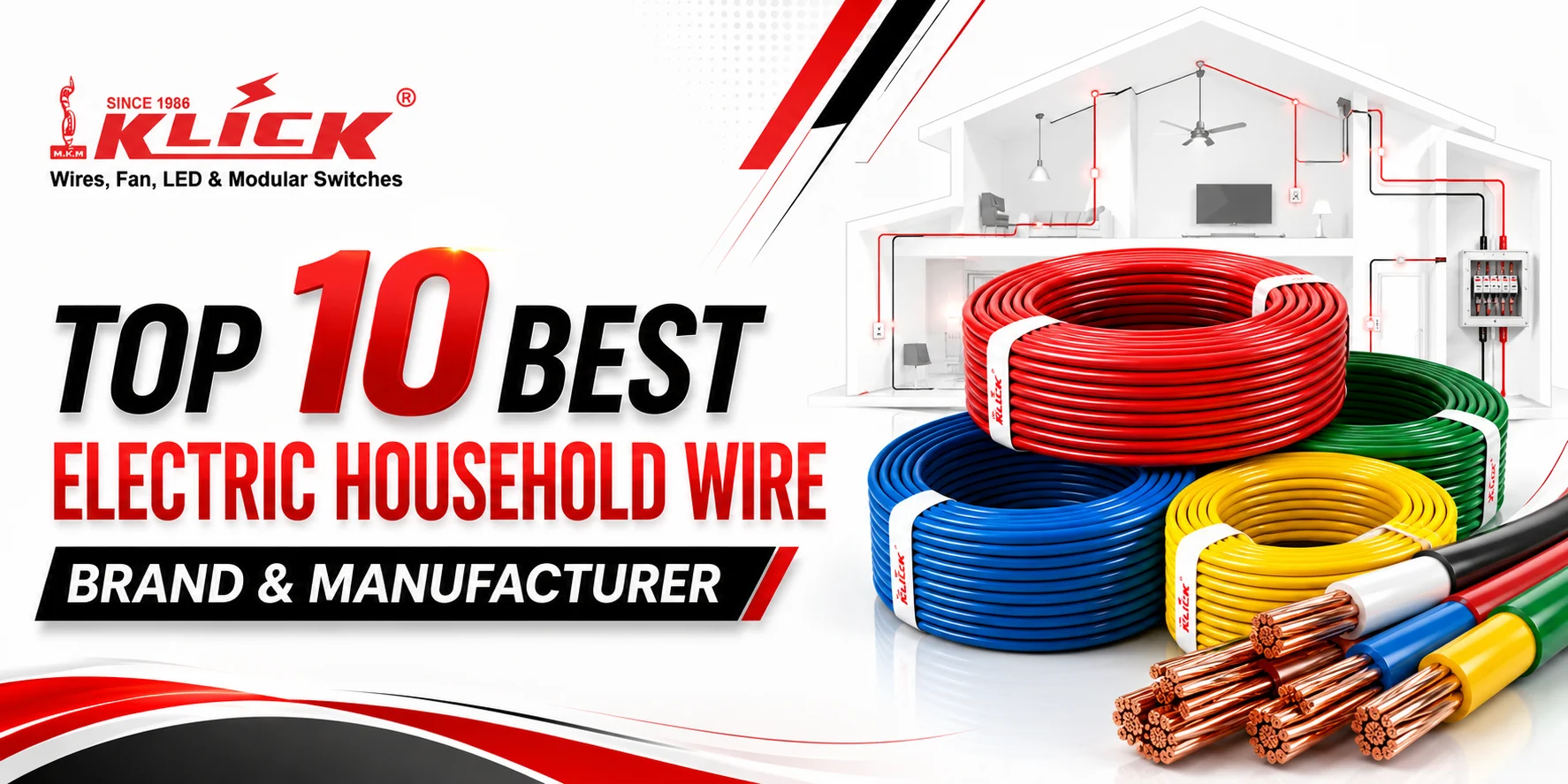
The insulation colours available include red, blue, black, yellow, and aqua green. It helps electricians to systematise wires and differentiate conductors during installation and maintenance. One needs to choose the colour according to the standards and role of each conductor. Electricians should check the connection before repairing something in the existing installation.
How to Plan Electrical Wiring for Home
- Install the electrical wires for lights and fans based on the location of the furniture and appliances in the living room or bedroom
- In the kitchen, use suitable electrical wiring for refrigerators, microwave ovens, induction stoves, and any other heavy-duty appliances.
- Use electrical fittings and protective devices suited for wet environments in bathrooms.
- Choose suitable electrical conductor sizes and circuit protection for air conditioners and other heavy appliances.
- Include extra sockets and circuits to accommodate any new electrical appliances and device replacement.
Conclusion
While choosing the best electric wires for home wiring, it is essential to understand the electricity requirements of the household, the type of insulation used and how each circuit must be connected. Some of the main factors associated with the supply of a reliable electrical system are the conductivity of copper wires, proper gauge of the conductor, and the type of insulation. With copper conductors, three-layer PVC insulation, flexible assembly, and special bunching and selection of conductor serial number, KLICK Electricals offers worthy solutions for residential wire installations.